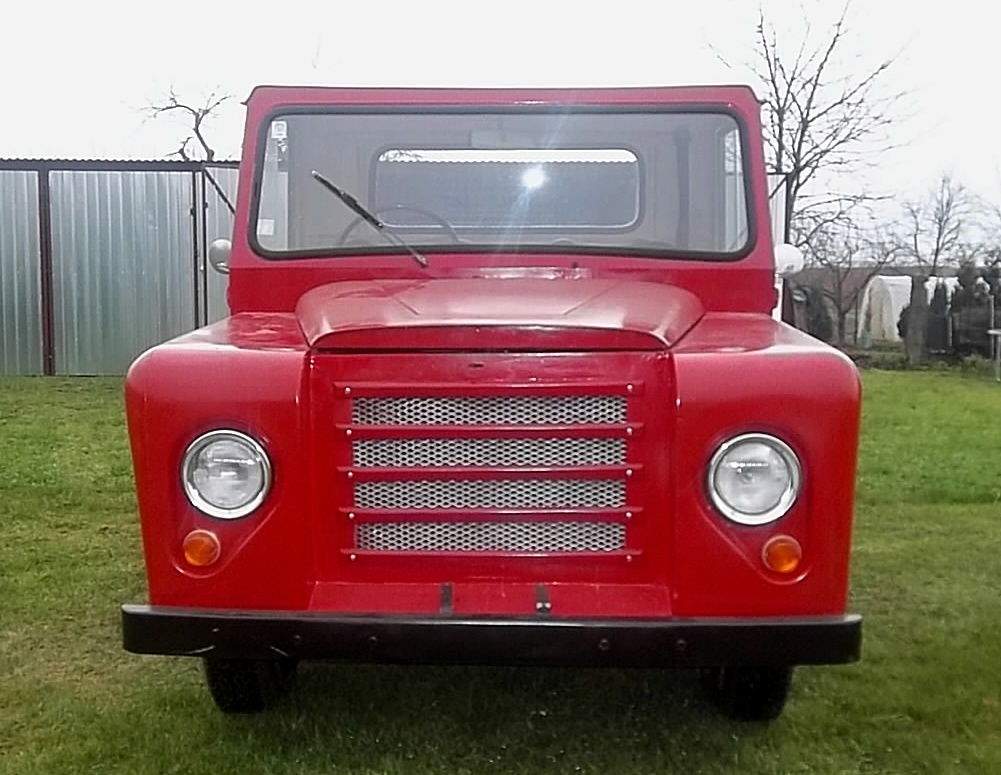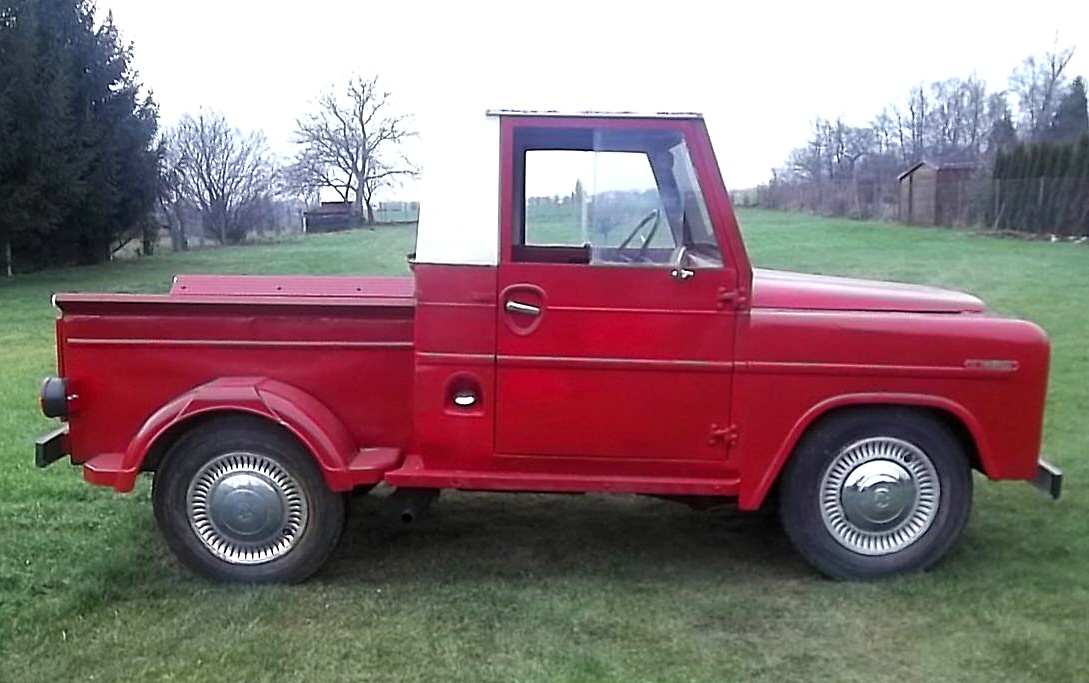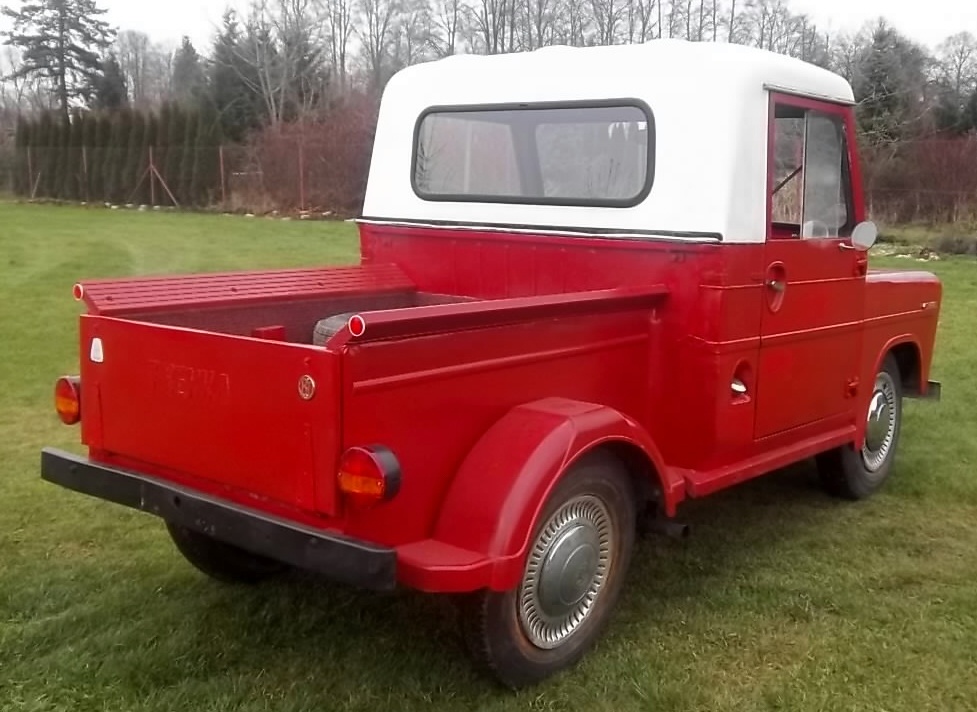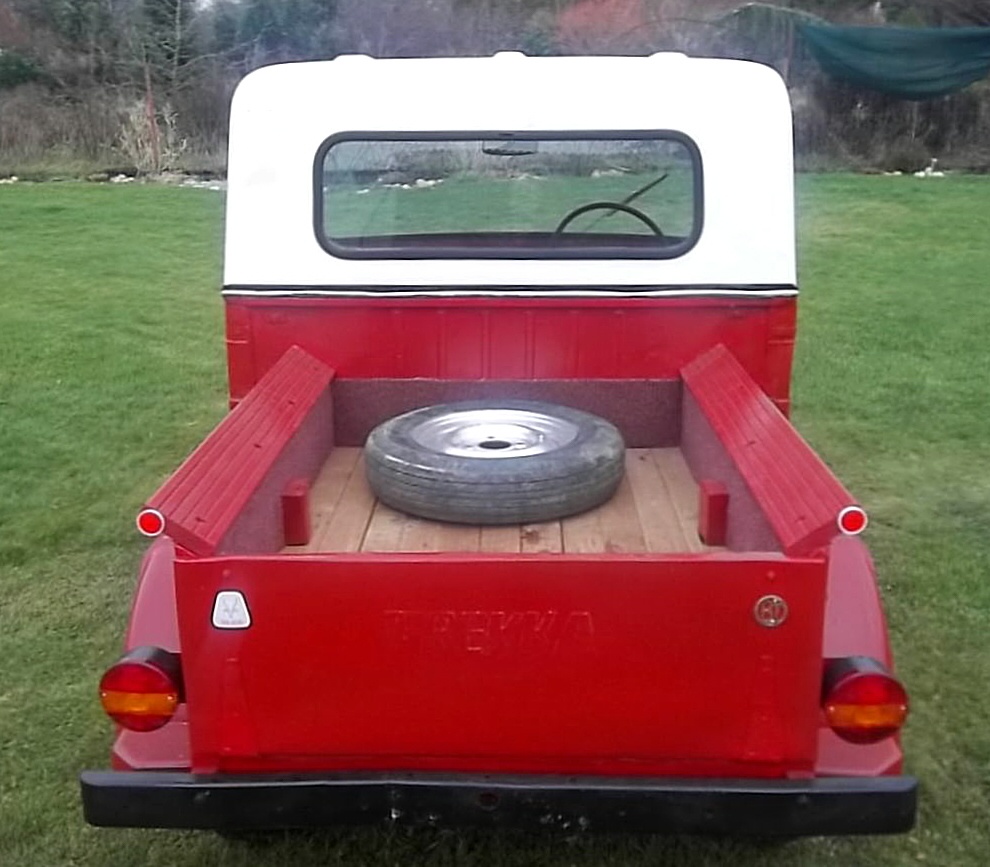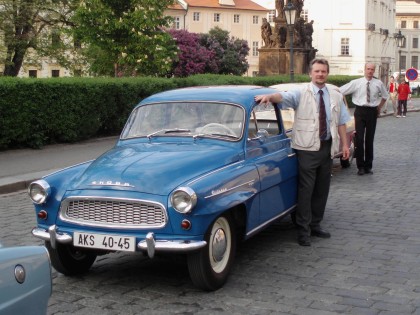
Trekka
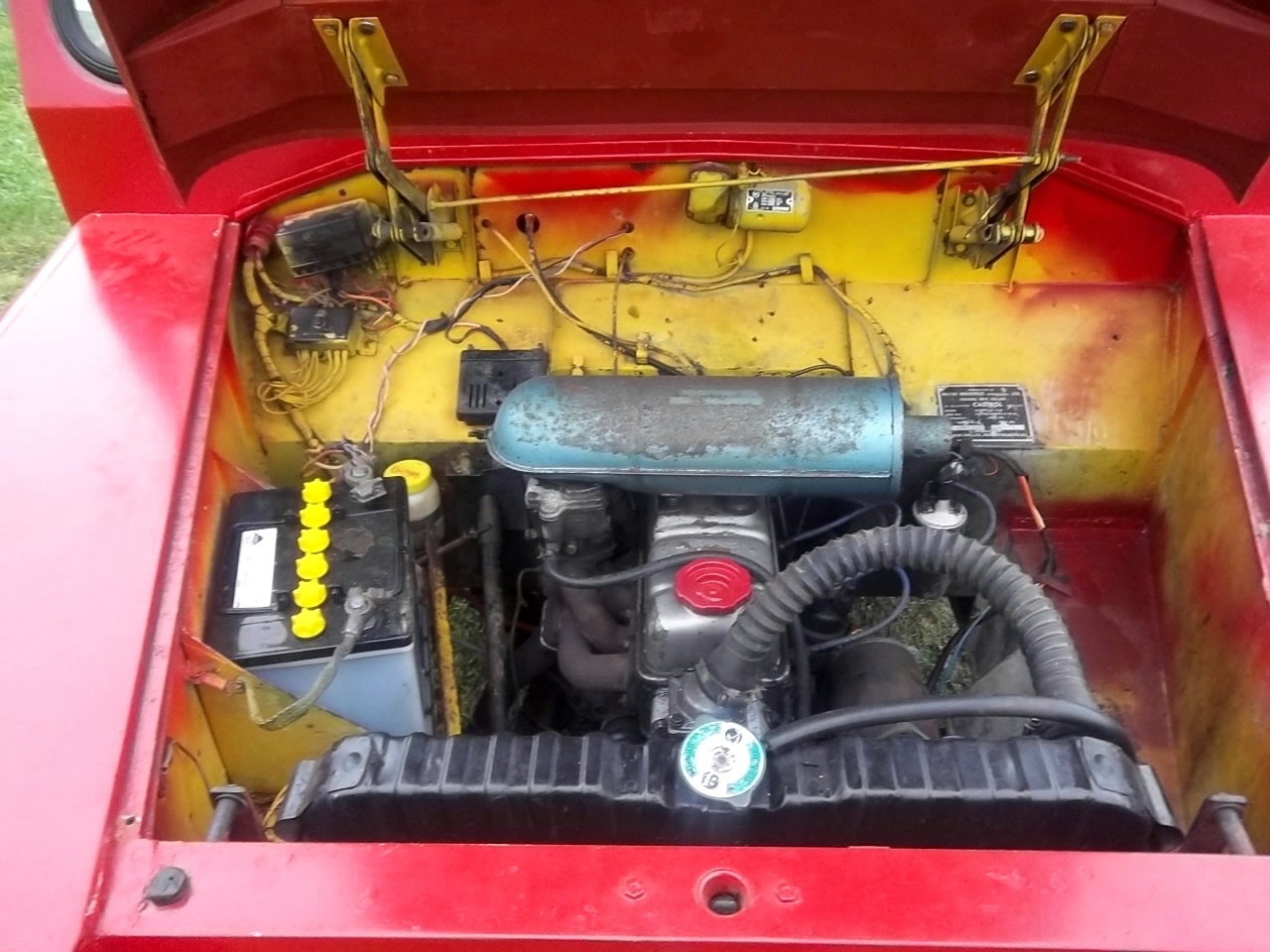
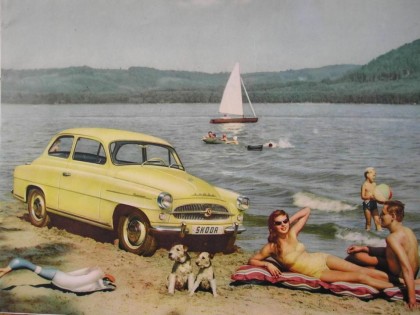
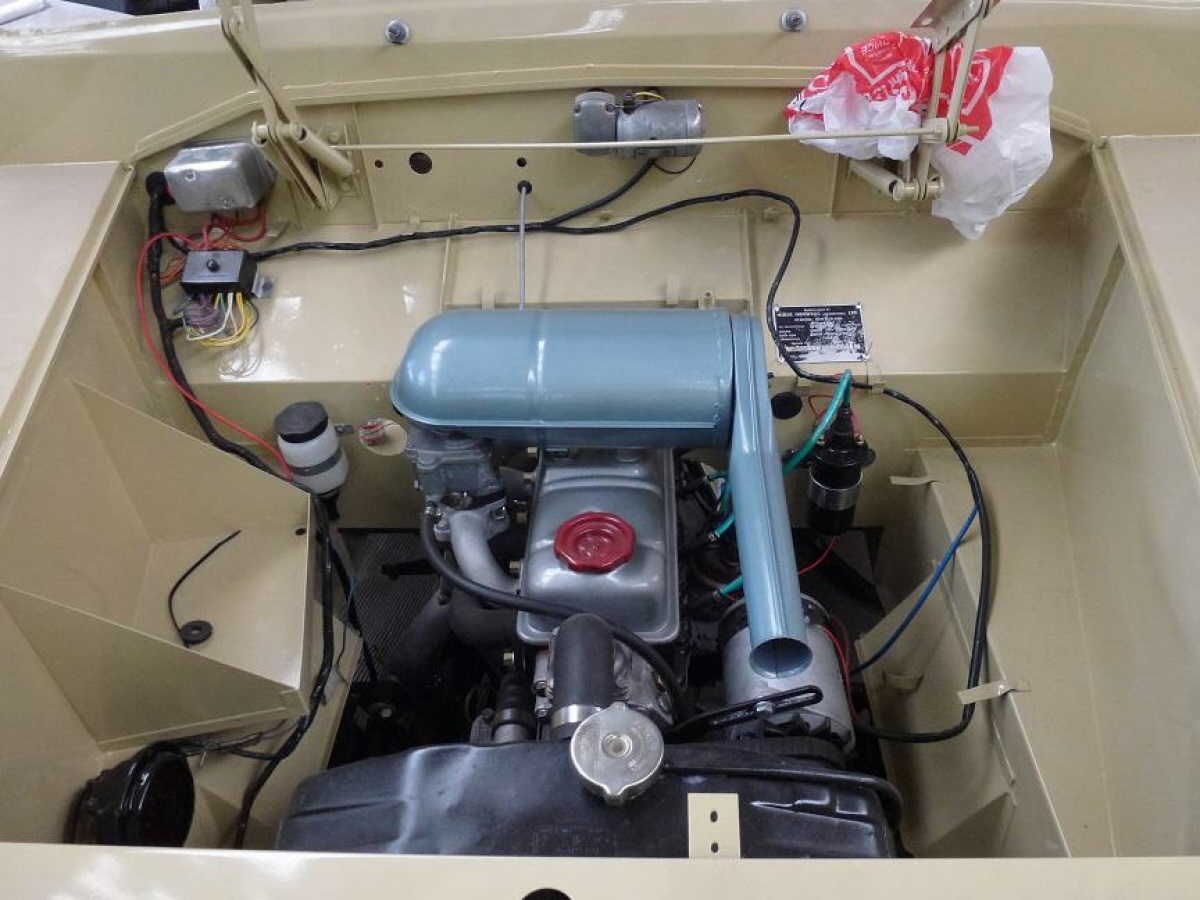
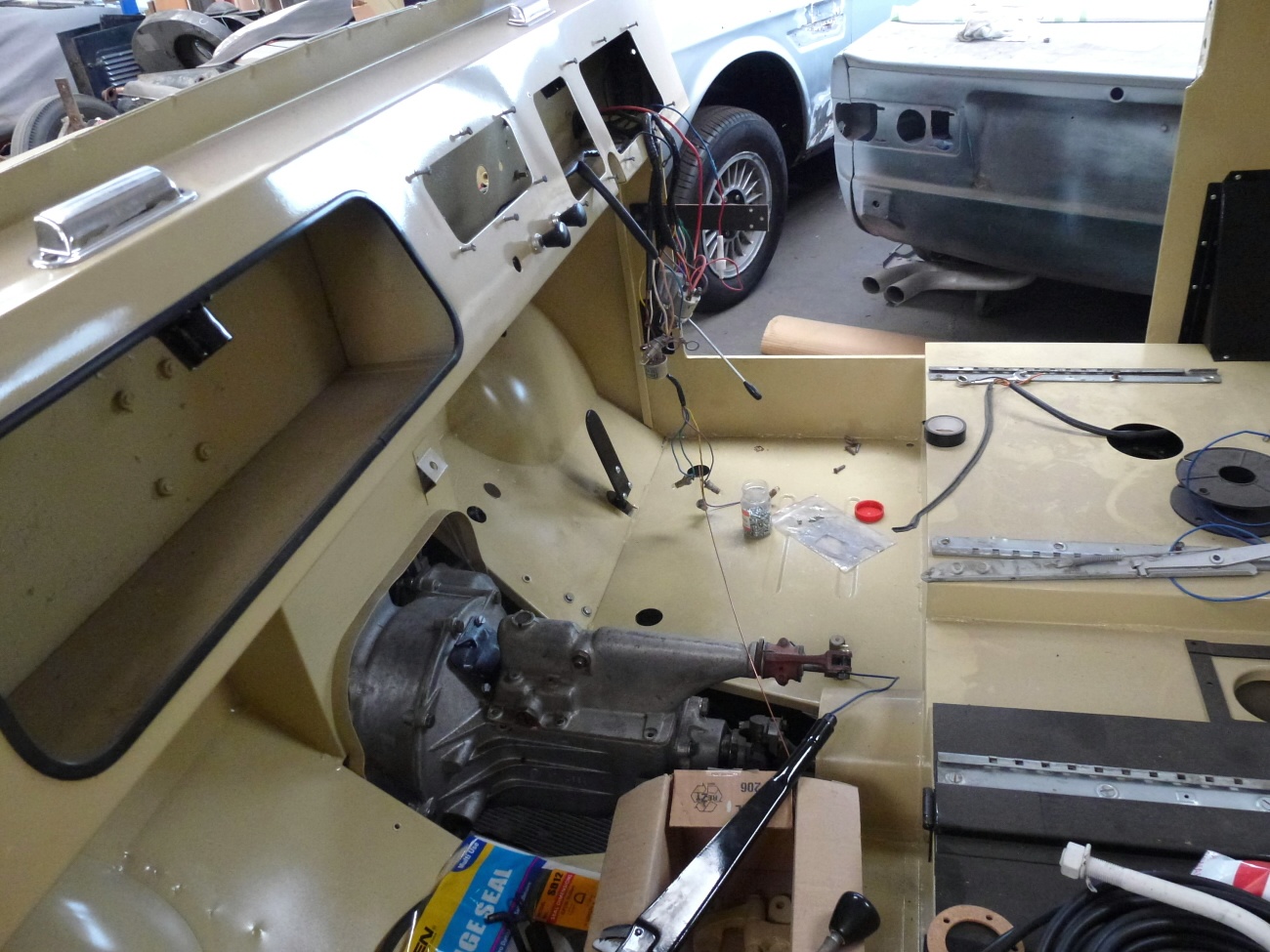
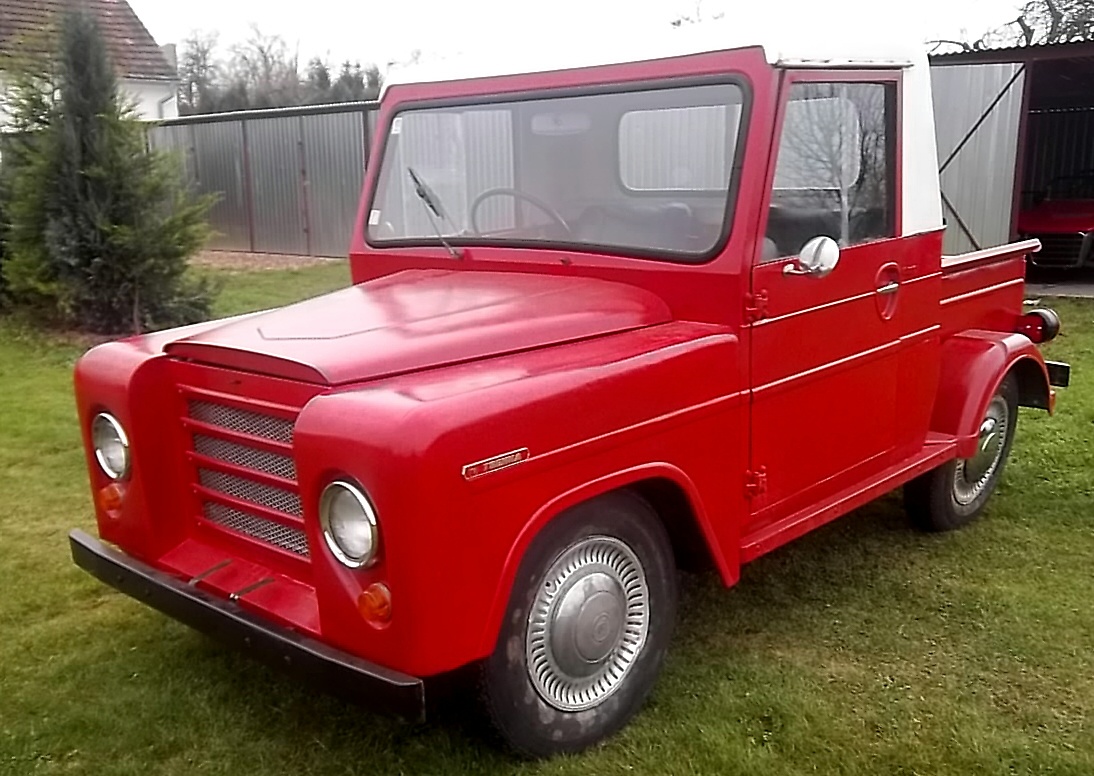
The vehicle was produced between 1966 and 1972 in New Zealand. Apart from the body and interior, it used components from the ŠKODA Octavia! A significant car in New Zealand’s automotive history, with almost 2,800 units built. Two cars exist in the Czech Republic, and a third one was imported in January 2014.
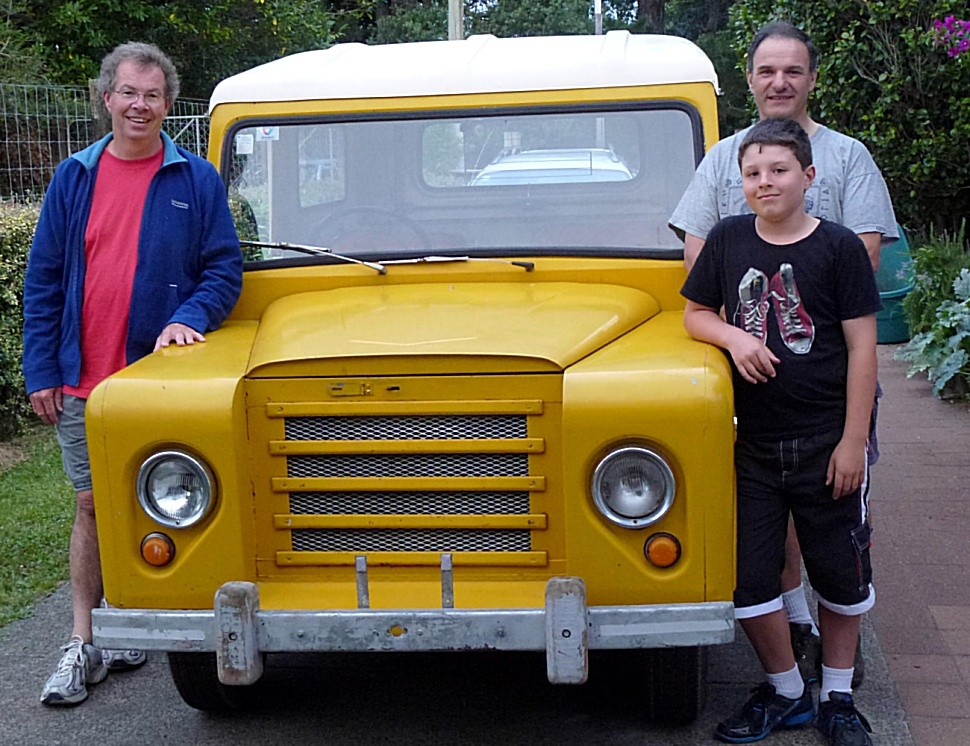
Below: a photo of the ŠKODA TREKKA in New Zealand – owner Mr. Todd Niall (left), creator of the most important website about Trekka www.trekka.co.nz. On the right, his friend and mechanic Alfonso Zambuto.
A bizarre and now rare vehicle that you won’t easily see on our roads again. Due to the threat of new export restrictions that may soon be adopted by the New Zealand Ministry of Culture, perhaps not at all.
Project history
The history of the Trekka began in the second half of the 1960s, when car imports to New Zealand were subject to high tariffs. The Czechoslovak car manufacturer Škoda was seeking new markets, and the communist state urgently needed foreign currency. The Škoda Octavia Combi was already being exported to New Zealand. It was therefore necessary to find a way to bypass local import laws – the solution was to import the car in parts, as a kit. Thus, disassembled Octavias were shipped in crates. A locally built body had to be fitted on the chassis with the engine. The market lacked a simple, affordable vehicle to assist small businesses, craftsmen, builders, plasterers, and traders. Farmers and agricultural workers were considered the main target group. The possibility of exporting to nearby islands and countries further supported the project.
Škoda Mladá Boleslav supplied the engines, the Octavia Combi chassis, and the control components. A total of 50 small local companies participated in assembly and production in New Zealand.
Development and design
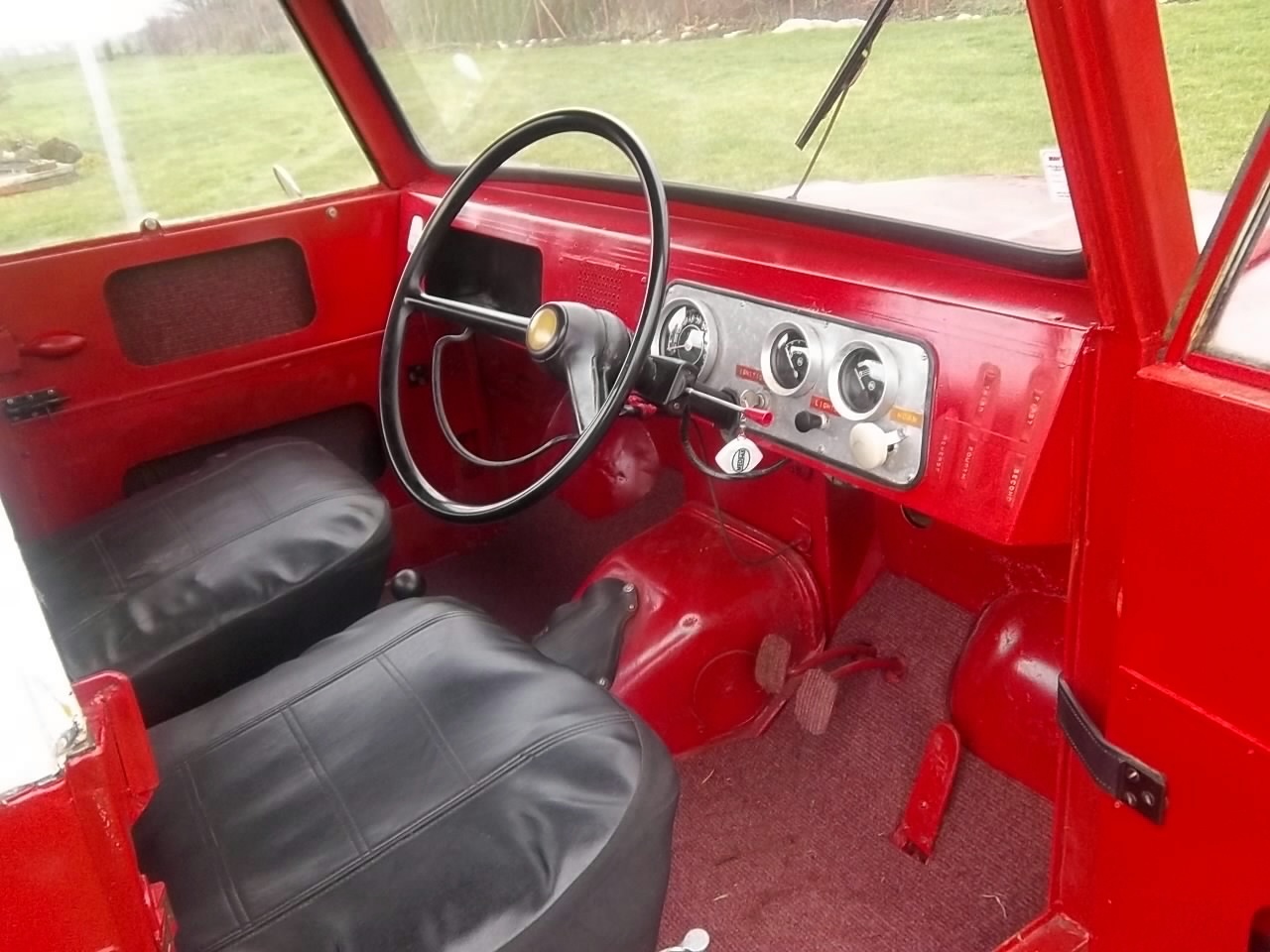
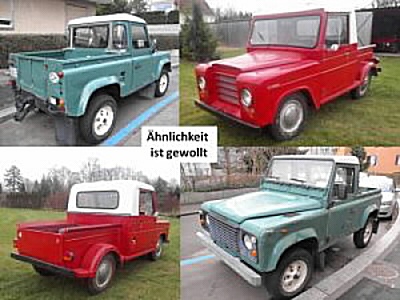
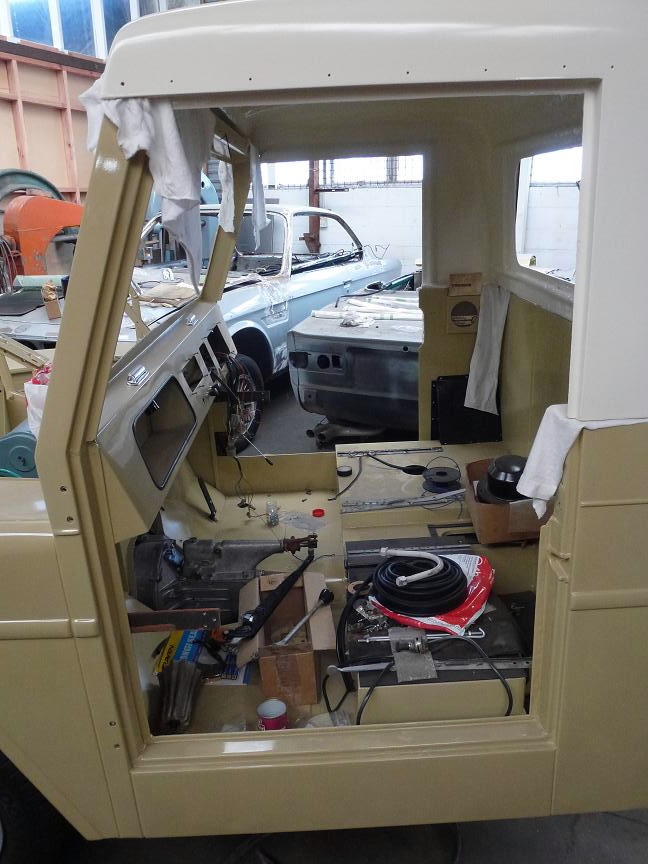
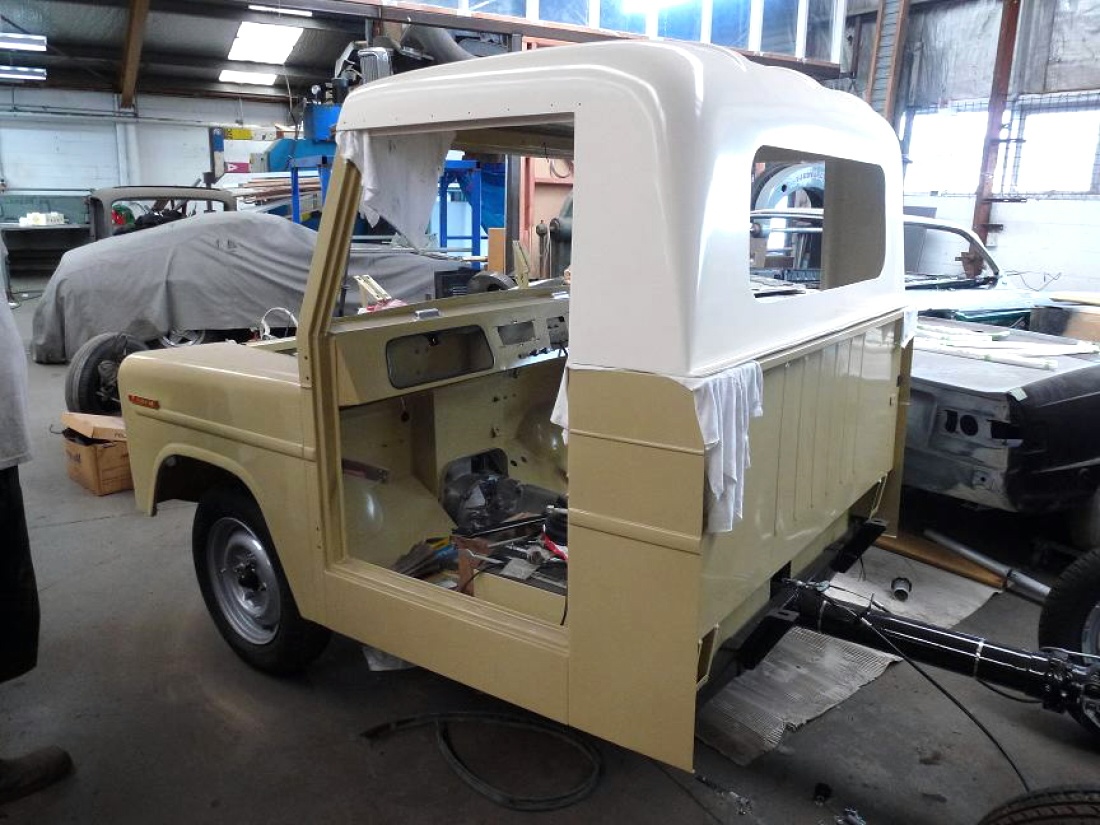
The project was led by Andrews and Noel Turner, with Mr. Velebný representing Škoda. Together they created a small body that resembled a Land Rover from the outside – but that was where the similarity ended. The Trekka was the most affordable car on the New Zealand market. The removable cabin provided protection from sun and rain for two to three passengers. Its off-road capabilities were limited, but the shortened chassis improved handling and reduced weight, allowing for a larger fuel tank.
Technical details and equipment
At Motor Industries, A. and N. Turner, together with Josef Velebný, were the driving force behind the project. The body was designed to allow the addition of extra equipment – even a small crane. The standard equipment included a lockable toolbox. Optional extras featured a winch, water tanks, and, for an additional charge, a balanced traction (BT) system – a differential lock that significantly improved performance in mud or sand.
Accessories available included rear-view mirrors, a sun visor for the passenger, and special off-road tires. A second windshield wiper was considered a luxury. Later, various roof types and bed configurations were offered – from a folding soft top to a fully glazed cabin. Special bodies for passenger transport and camping expanded the car’s versatility.
Production and export
Series production began in early December 1966, and by the end of the year, 17 vehicles had been sold. The 1,000th Trekka was delivered in January 1968. Customers appreciated its practicality, especially on islands such as Fiji, Tonga, and others. Small quantities were exported to Australia and Pakistan – in disassembled form. Sales began to decline in the early 1970s due to reduced import tariffs, and the Trekka was gradually replaced by Japanese vehicles. In total, around 2,800 units were produced, but they soon disappeared from the roads. In recent years, however, this modest and practical car has experienced a revival – it has become a cult classic, with enthusiasts worldwide searching for surviving examples. Trekka clubs have even been established.
Trekka in the Czech Republic
The Trekka also caught the attention of Czech Škoda collector Pavel K. from Hradec. He was lucky – he found a well-preserved example, purchased it without major difficulty, had it shipped, and became the proud owner of one of only two Trekkas in the Czech Republic.
Posthumous fame
It can be said that the Škoda Trekka achieved its fame “in memoriam.” Much credit goes to New Zealand artist Michael Stevenson, who in 2004 presented an art installation titled “This is the Trekka” at the Venice Biennale. On stage, he showcased a green Trekka, and since then, the car has been appearing under the spotlight once again. Out of nearly 2,800 vehicles, fewer than a hundred have been found, many in poor condition. Nevertheless, their value has soared – some sellers now ask up to €20,000.
Trekka as cultural heritage
In New Zealand, the Ministry of Culture is considering recognizing the Trekka as the only automobile in the country’s history to be entirely built locally, granting it cultural heritage status. Fortunately for collectors, this has not yet been possible, as the Trekka does not yet meet the required age criteria.
Dr. Jiří W. Pollak – www.skoda-oldtimerclub.de
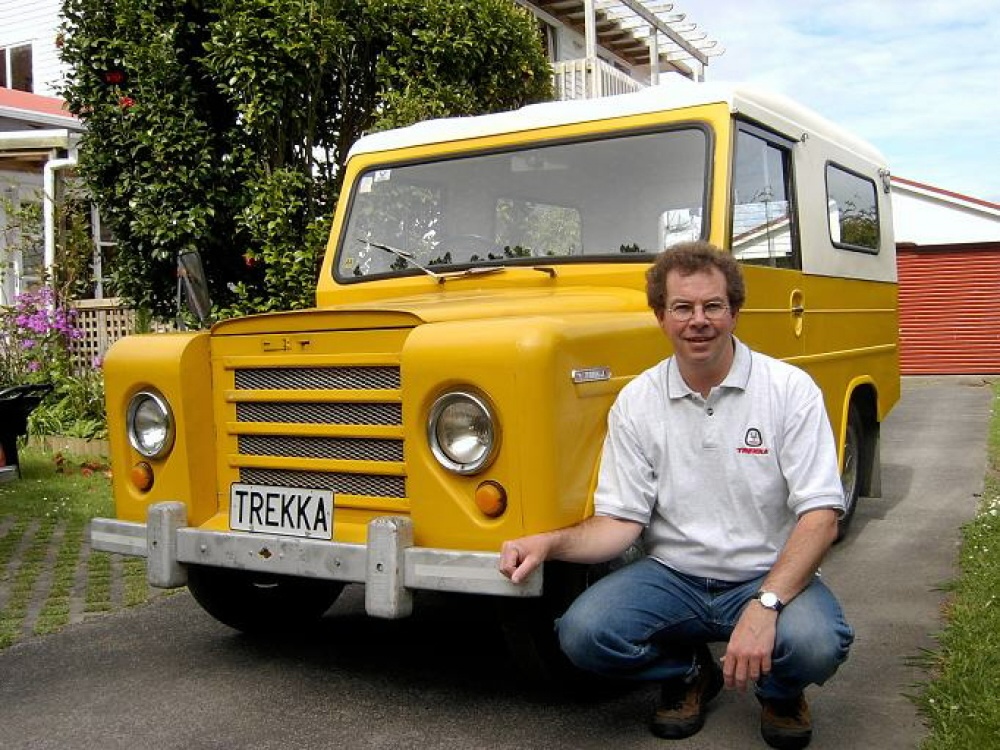
Mr. Todd Niall
Auckland, New Zealand
Creator of the most significant Trekka website
www.trekka.co.nz
Trekka (2004).
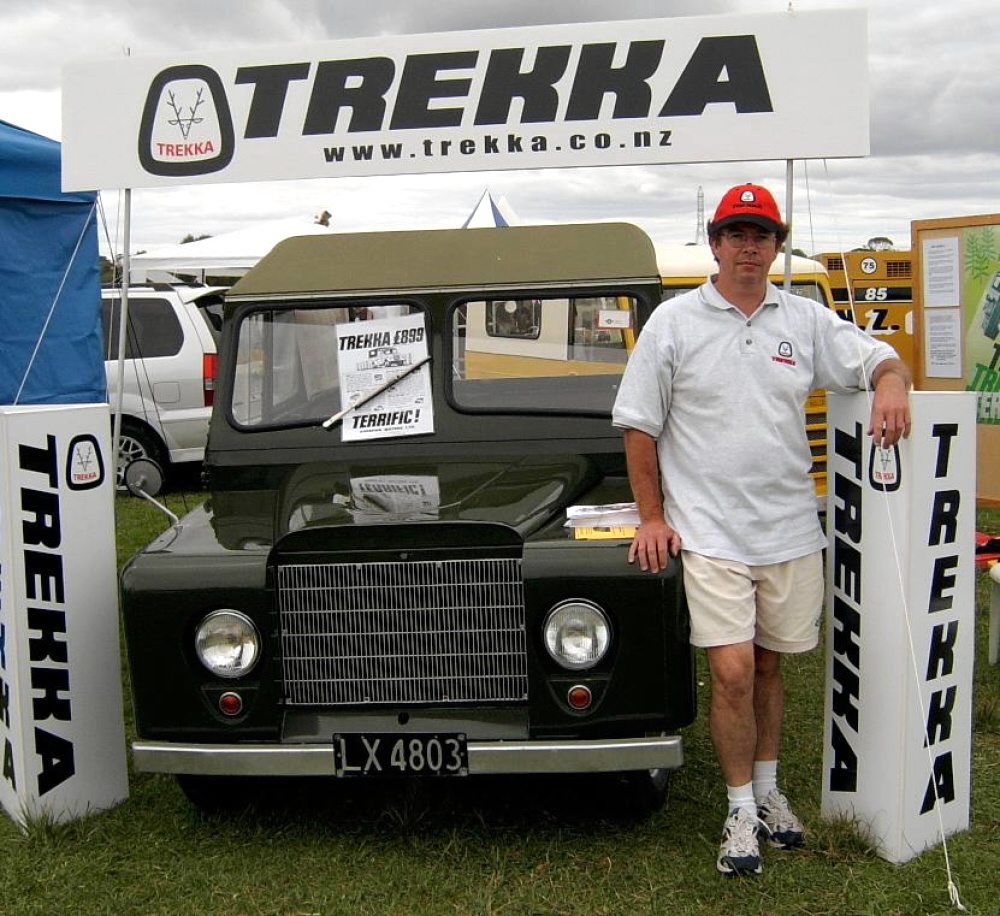
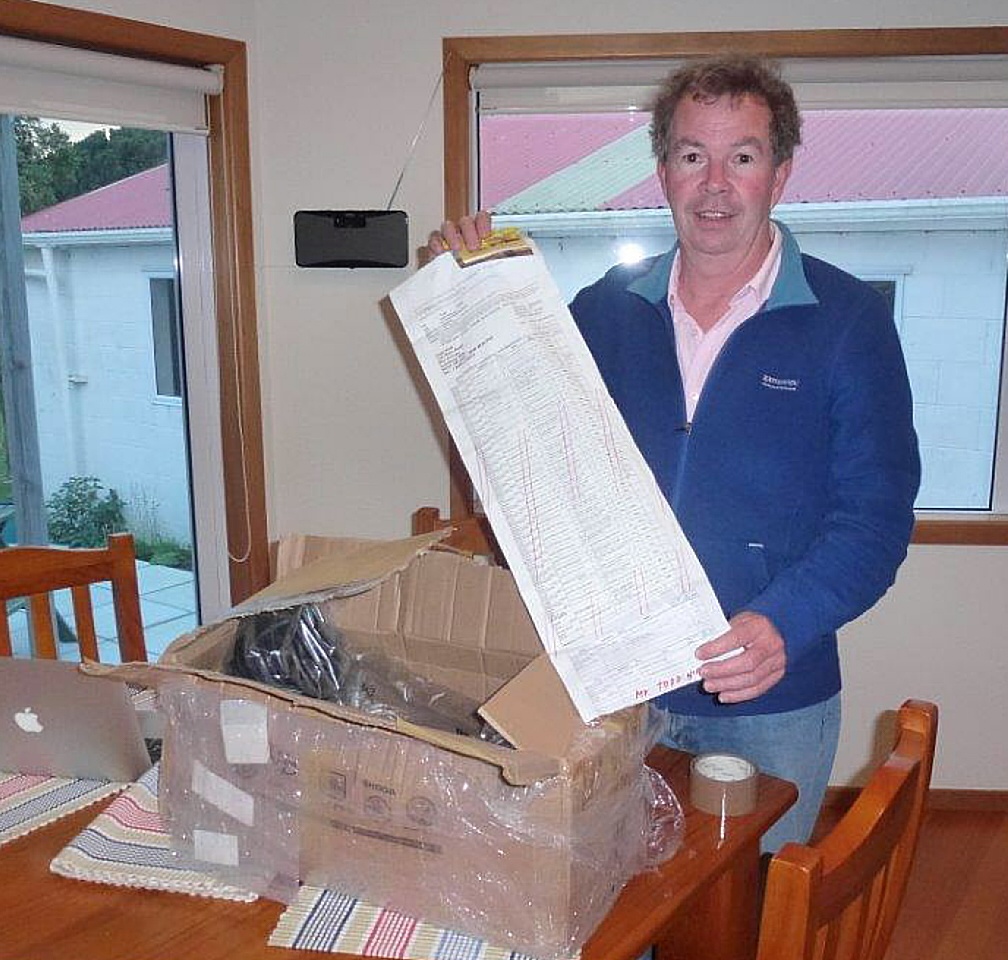
2014 – I received goods from PRAGOS.
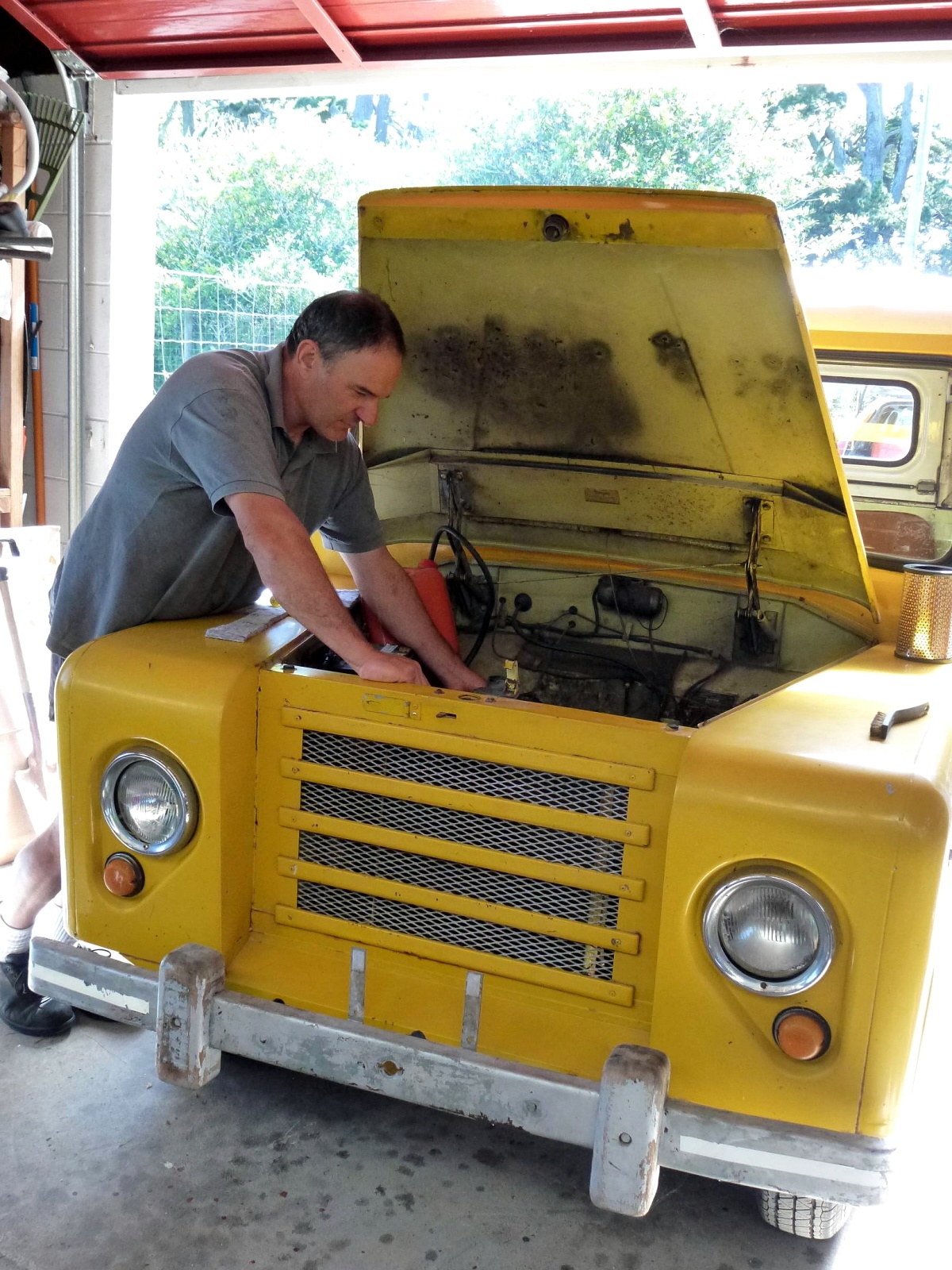
My car and my friend Alfonso Zambuto. He also owns a Zetor tractor, so he understands most of the car parts.
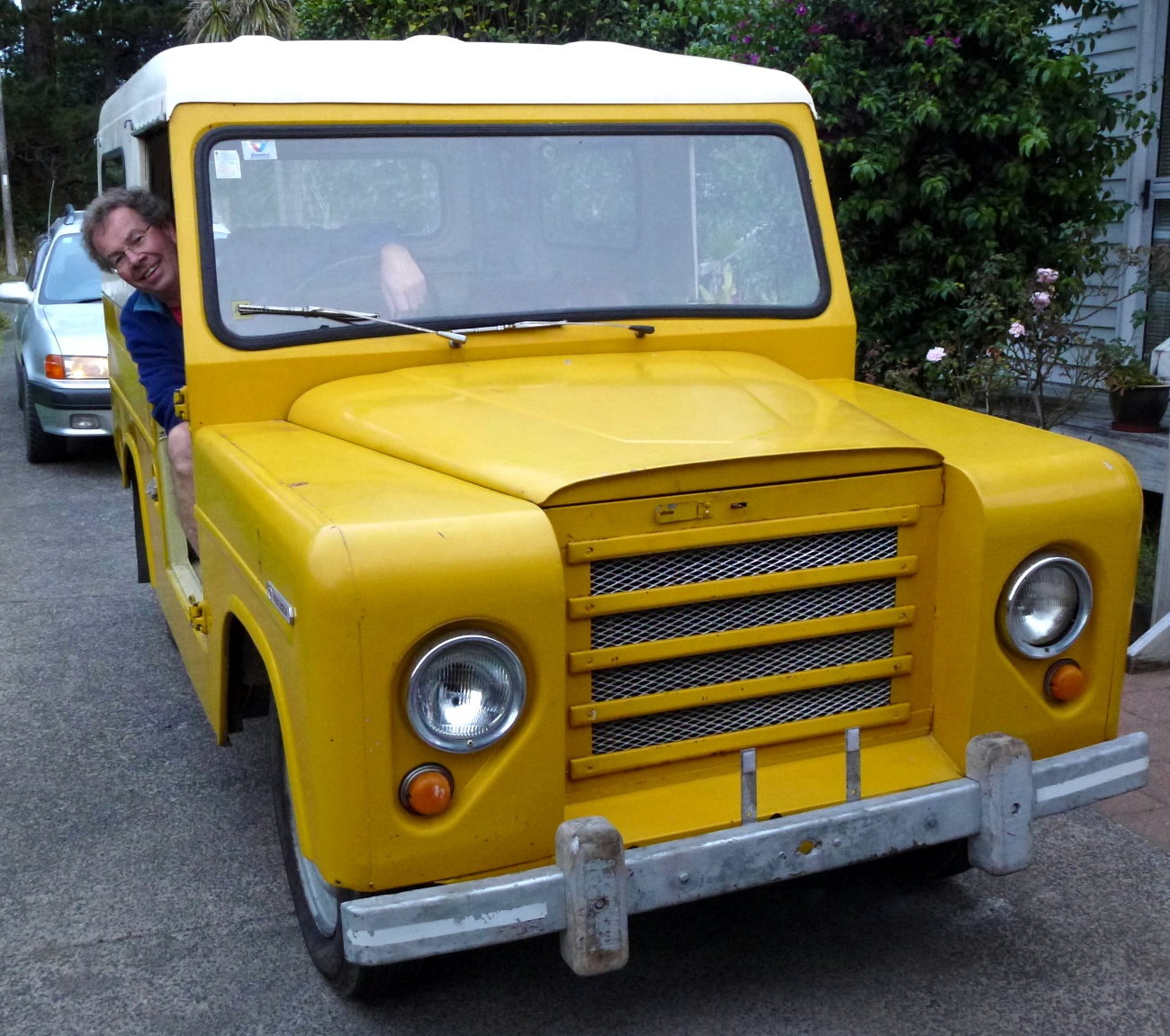
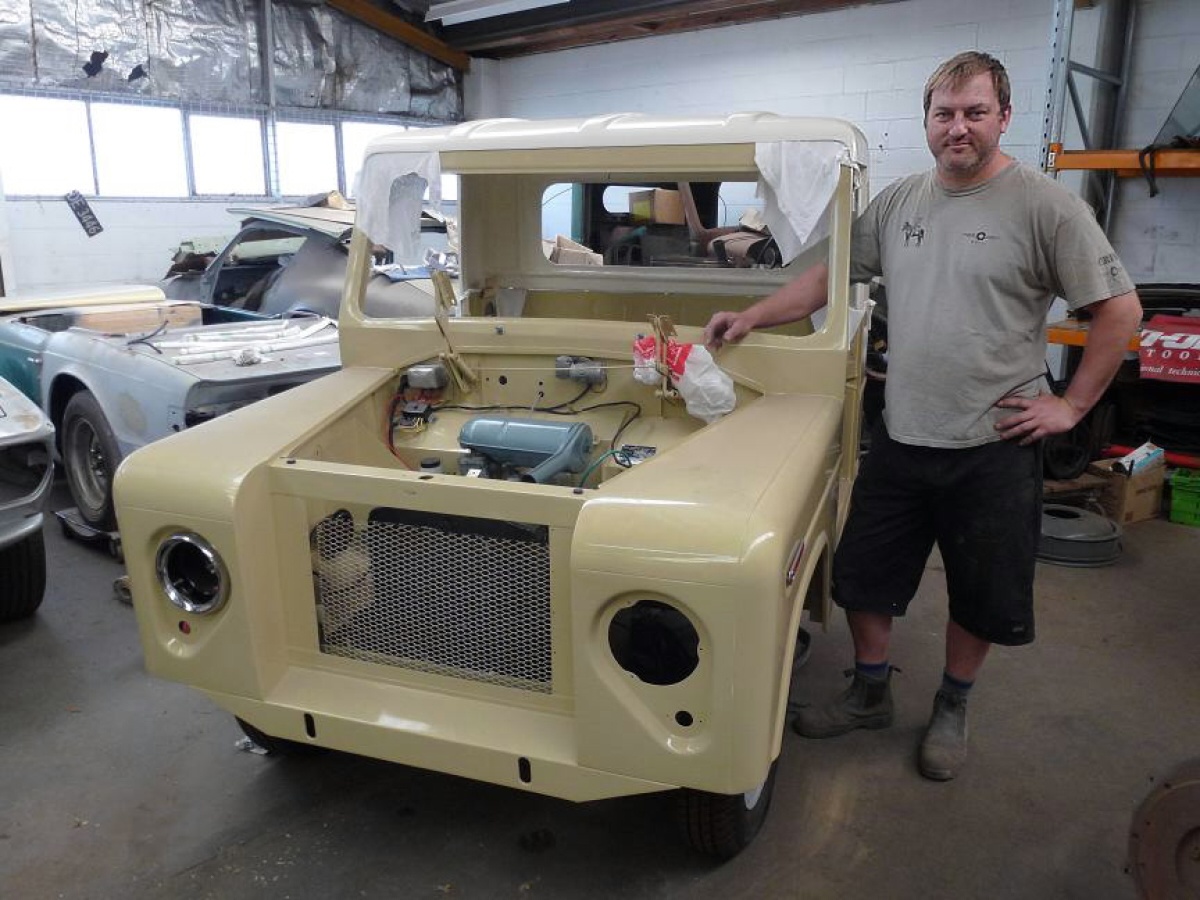
Mr. Tony Katterns
Auckland, New Zealand
Classic car restorer in Auckland.
Mr. Pavel K.
Car in the Czech Republic.
Continuation.