Prototype “Trunk”
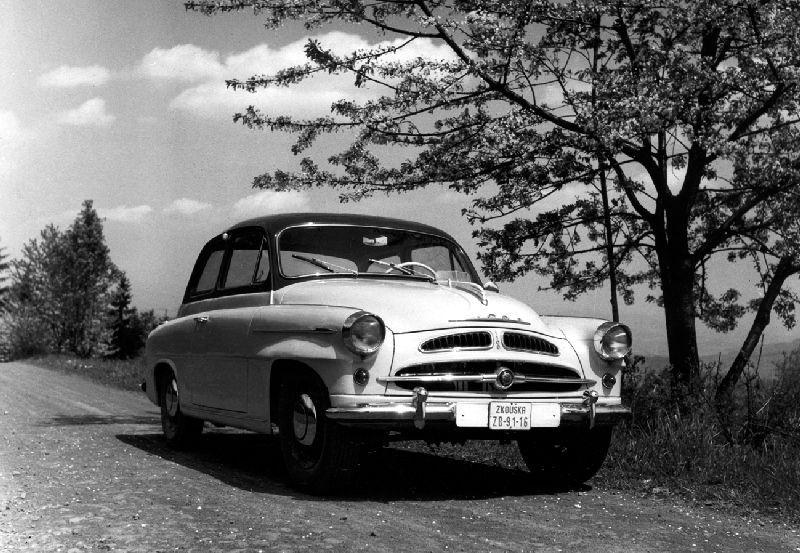
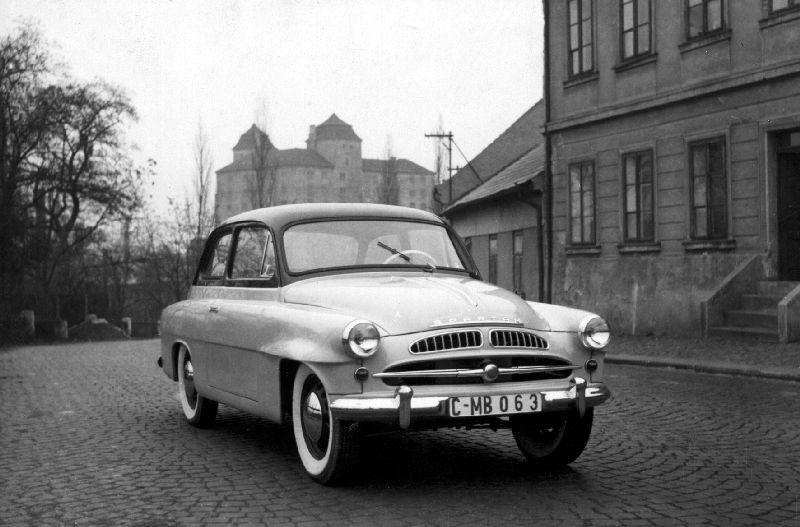
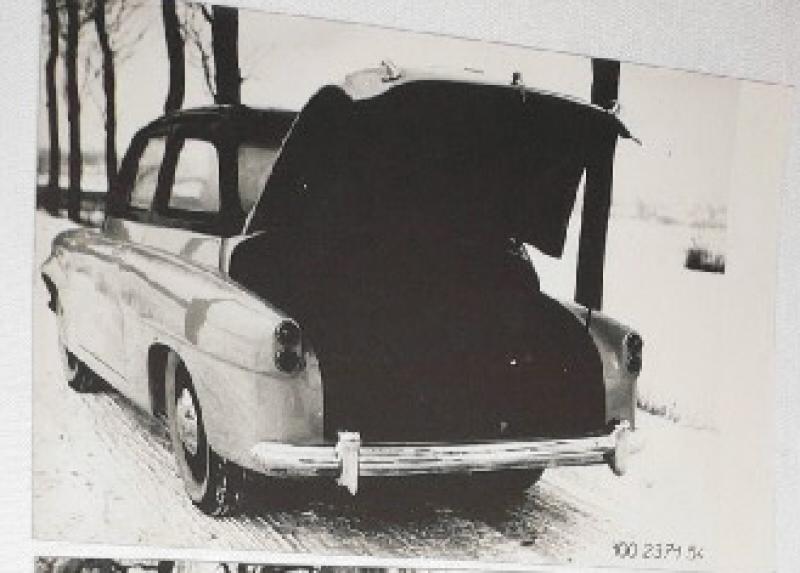
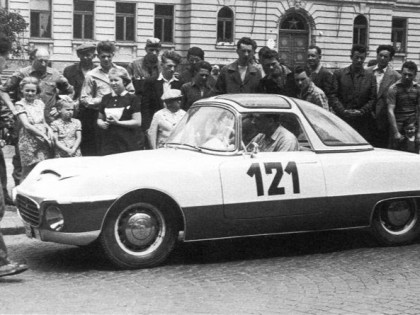
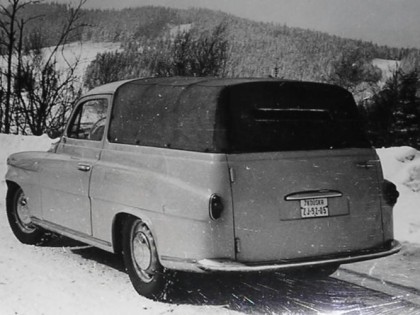
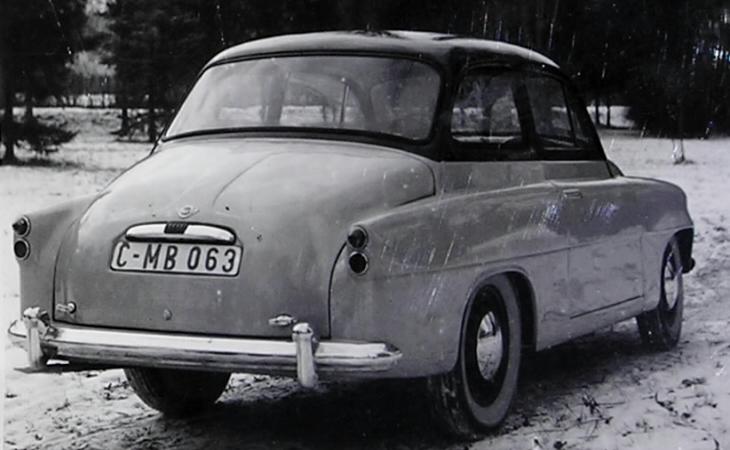
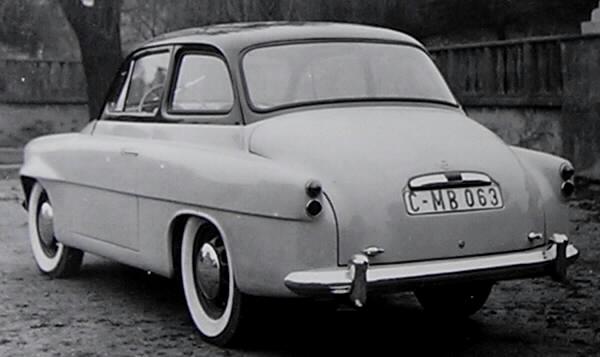
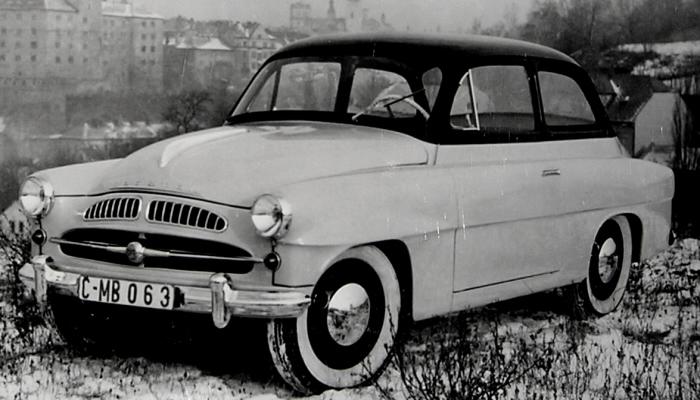
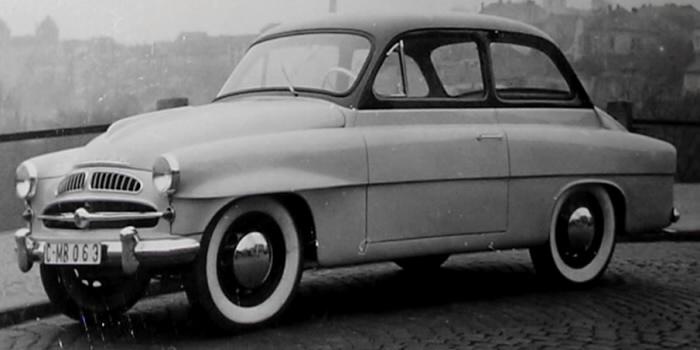
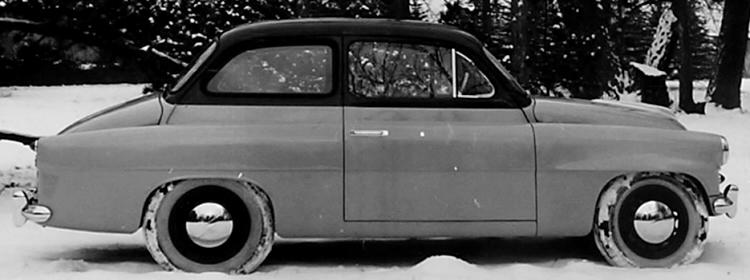
Prototype Spartak with Extended Trunk Lid.
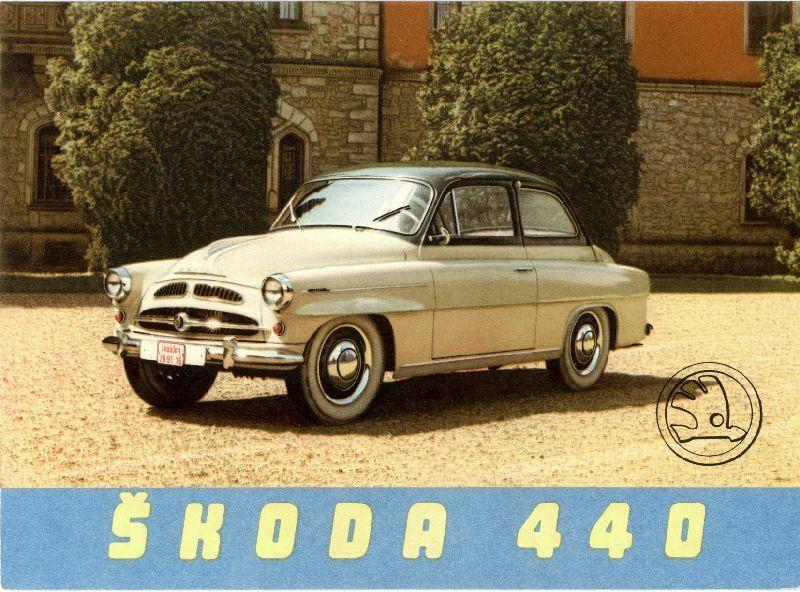
The name Spartak began to be used among our motorists for the Škoda 440, and it became so common that today few people realize it was originally meant for a completely different car. When production of the Škoda 1102 ended, our automotive industry lacked a model capable of becoming the foundation of motorization in the republic. The Škoda 1200 did not have the character of a people’s car and was more suitable as a service vehicle for various organizations.
Therefore, in 1953, the AZNP development department was tasked with building a small passenger car for the broader population—one that could also represent our technology on foreign markets. The main requirements were simple production, spaciousness, good driving characteristics, and low production and operating costs. In addition, there were technological demands aiming to start production as quickly as possible.
The new project therefore assumed the use of parts from earlier types, the 1102 and 1200, for which manufacturing equipment and sufficient experience already existed. This was meant to make the production launch easier and cheaper. Under different circumstances, it was a repetition of the situation that, fifteen years earlier, had brought to life the small Popular 995 nicknamed “Liduška,” and which would, in a way, repeat again many years later when, instead of a new front-wheel-drive car, the Škoda 105 and 120 appeared.
The first prototype passed through the factory gate on December 19, 1953. This marked the end—or rather the postponement—of many discussions about the concept of the next car, which had previously resulted in preliminary work on interesting-looking but impractical prototypes with cab-over bodies and rear engines.
The new prototype was powered by a familiar four-cylinder engine whose origins could be traced back to the first Popular models, and which, in almost the same form as in 1953, had already appeared in the series-produced Popular with an OHV valve train in 1937. For the new application, it received only a higher compression ratio of 6.87:1 and several minor modifications.
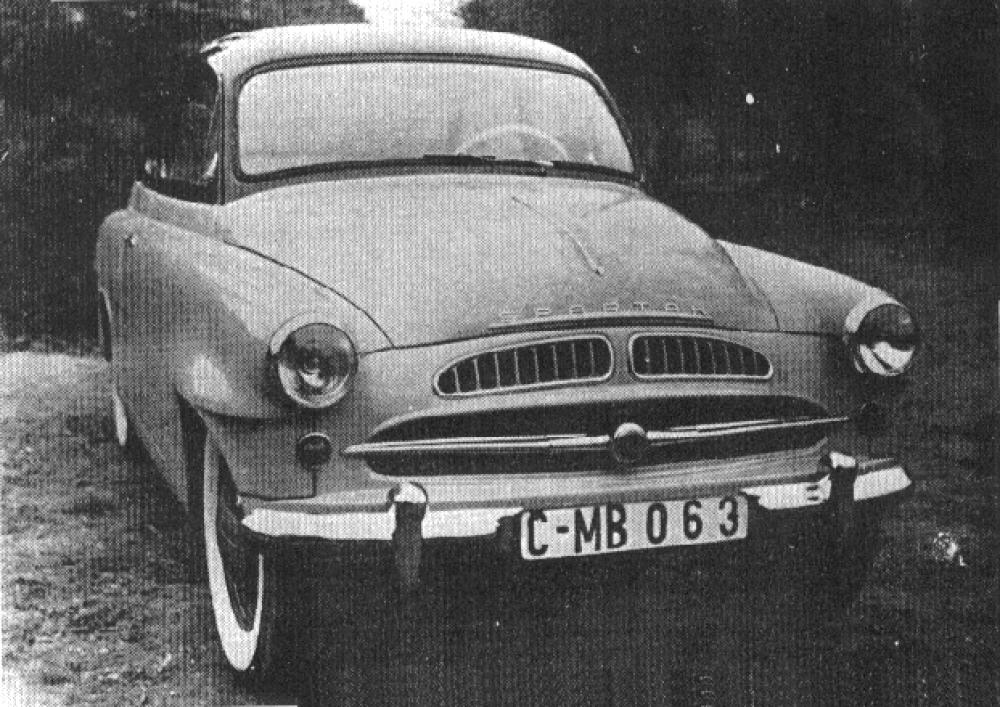
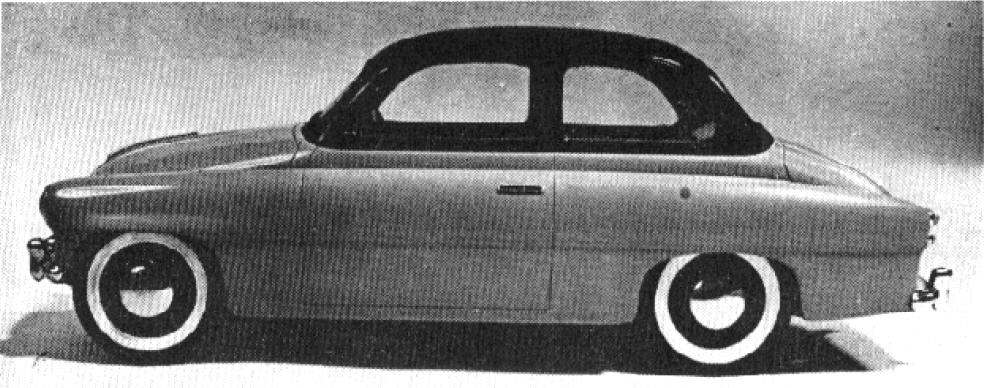
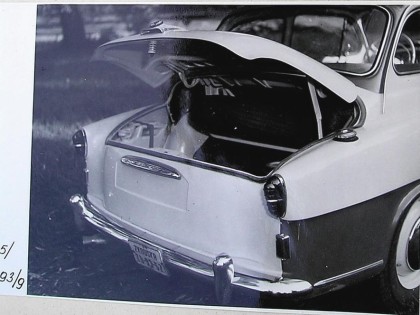
The bodywork of the new car also went through a longer development process. One of the prototypes, visible in period photographs, differed from the later final version by its rounder front and rear ends, more curved fenders, a completely different grille, and a trunk lid extending all the way down to the rear bumper. This solution, reminiscent of the Škoda 1200 and 1201 models, had several advantages—especially when the owner needed to transport long or bulky items. However, it did not appear on production cars.
The gearbox, backbone frame, axles, and other parts of the car followed the construction of earlier models. The prototype series was completed in April 1954, and on May 1, 1954, the factory presented to the public the now well-known shape of the Škoda Spartak.
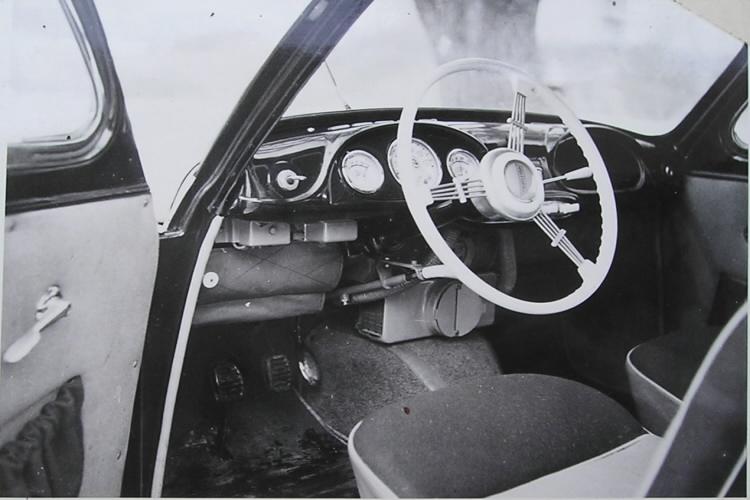
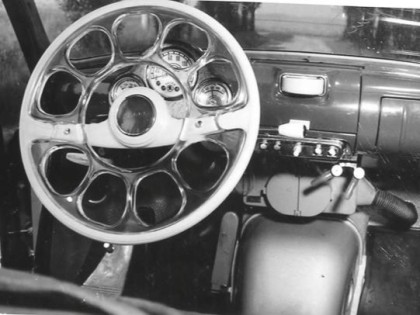
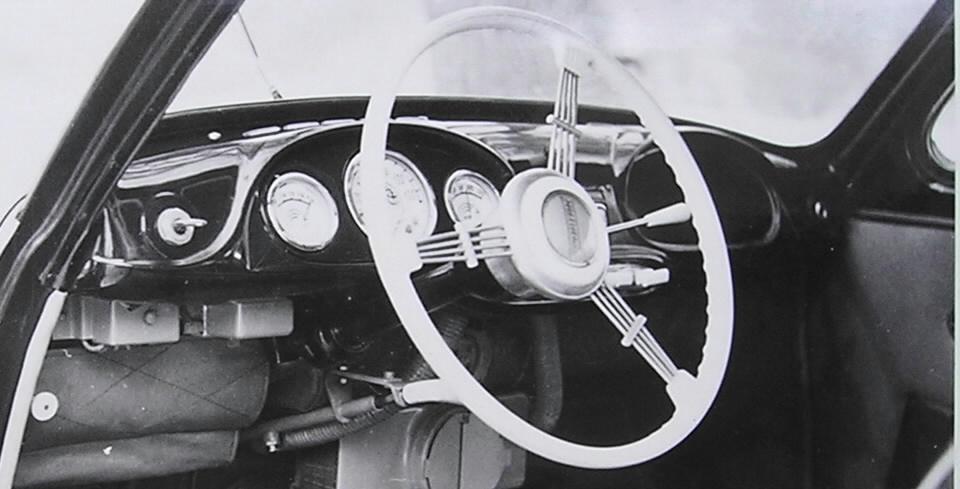
Different dashboard
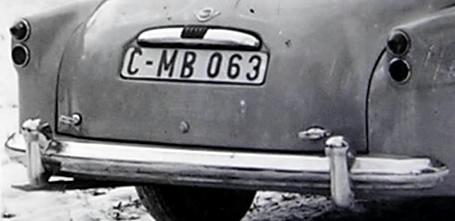
Trunk lid – with familiar embossing, but extended all the way to the bumper. Different badge on the hood, different license plate lighting, outer lock, two opening handles, separate lights.
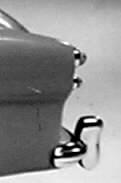
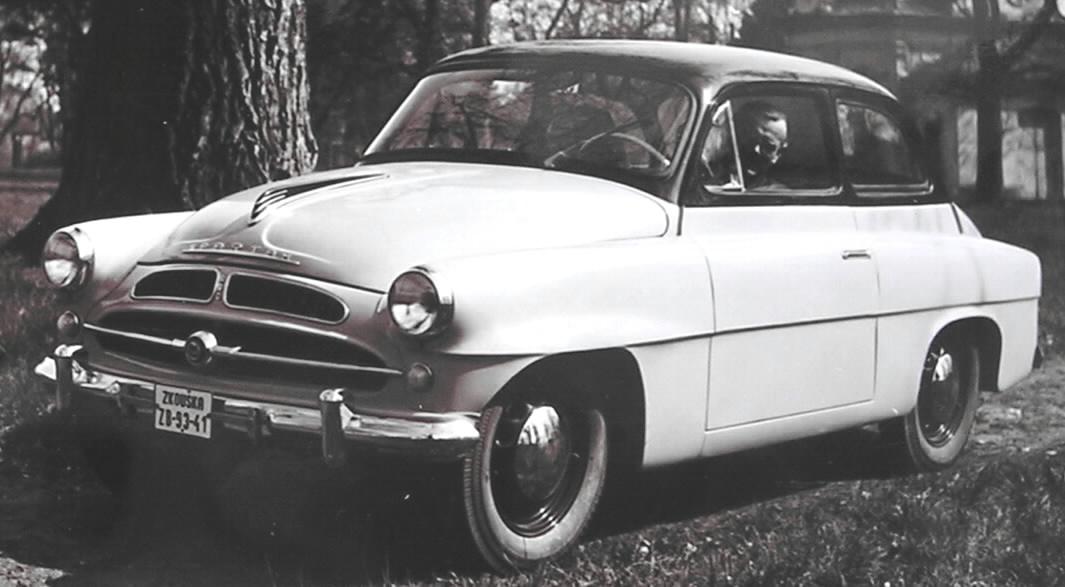
Different license plates – plate “TEST ZB-93-41”, same badge but different car. As noted by Mr. Kocián, it has a different grille and fender division – the previous ones split straight under the lamps.
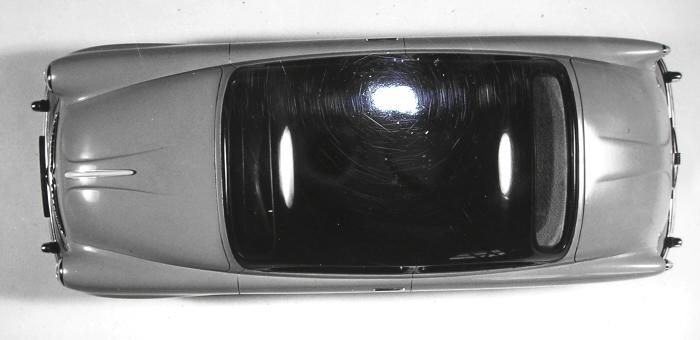
Prototype model
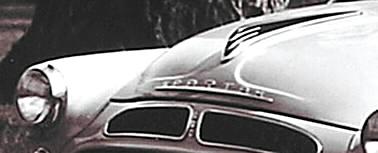
Hood emblem – different from the 1200 series, labeled SPARTAK.
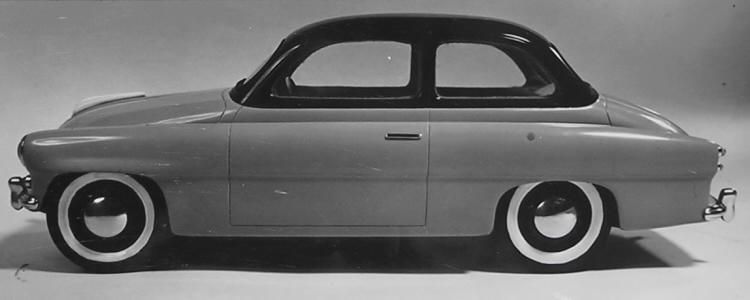
Model 40–50 cm